 |
||
 |
 |
 |
 |
|
 |
 |
 |
 |
 |
|
 |
|
 |
|
 |
|
 |
|
 |
 |
The Evolution and Impact of Website Building PlatformsIn the rapidly evolving digital landscape, website building platforms have emerged as invaluable tools, empowering both individuals and businesses to establish a significant online presence without requiring extensive coding expertise. These platforms have democratized the process of web development, enabling users to craft aesthetically pleasing and functional websites with remarkable ease. This article delves into the multifaceted world of website building platforms, addressing common concerns and providing insights to help you navigate the myriad options available. Firstly, one of the most significant advantages of using a website building platform is its user-friendly nature. These platforms typically offer drag-and-drop functionality, which allows users to design their websites visually, much like creating a presentation. This intuitive approach significantly lowers the barrier to entry for those who might not be technically inclined, making web development more accessible than ever before. Moreover, many platforms come equipped with a wide array of templates and themes, catering to various industries and personal tastes. Whether you are looking to create a sleek, professional business site or a vibrant, artistic portfolio, there is likely a template that suits your needs. This variety not only saves time but also ensures that your website can look polished and professional right from the start. Despite these advantages, some individuals express concerns about the limitations of such platforms. One common worry is the potential lack of customization options. While it is true that some platforms may impose certain restrictions, many have expanded their offerings to include advanced customization features, such as the ability to add custom CSS or integrate third-party plugins. This flexibility allows users to tailor their sites to their specific requirements, thus overcoming initial concerns about limitations. Another concern often raised is related to SEO optimization. Ensuring your website ranks well on search engines is crucial, and some fear that using a website builder might negatively impact this aspect. However, many platforms have recognized this concern and now offer robust SEO tools and guidelines to assist users in optimizing their sites effectively. These tools often include features like meta tags, alt text for images, and URL structuring, all designed to enhance your site's visibility online. When it comes to pricing, website building platforms offer a range of options to suit different budgets. While there are free versions available, they often come with limitations such as platform-branded domains or ads. For those looking to create a more professional online presence, investing in a premium plan can be worthwhile. These plans typically provide additional features such as custom domain names, increased storage, and advanced analytics. Evaluating your specific needs and long-term goals will help in determining which pricing tier offers the best value for you. Furthermore, customer support is another critical aspect to consider. Reliable customer support can make a significant difference, especially if you encounter technical issues or require assistance with complex features. Most platforms offer multiple support channels, including live chat, email, and comprehensive knowledge bases, ensuring that help is readily available whenever needed. In conclusion, website building platforms have transformed the way we approach web development, offering tools and resources that cater to both novices and seasoned developers. While concerns such as customization limitations and SEO challenges are valid, the advancements in these platforms have largely addressed these issues, providing users with powerful, flexible, and cost-effective solutions. As technology continues to advance, these platforms are likely to evolve further, continually adapting to meet the growing demands of users worldwide. Ultimately, staying well-informed about the capabilities and limitations of different website building platforms is essential for making the right choice. By weighing the pros and cons and considering your unique needs, you can select a platform that not only meets but exceeds your expectations, ensuring your online presence is both impactful and enduring. https://www.quora.com/What-platforms-do-website-builder-experts-usually-work-with
They mostly work on Shopify or wix for e-commerce and for business promotion prefer wordpress or wix as per my observation. https://www.geeksforgeeks.org/top-website-building-platforms/
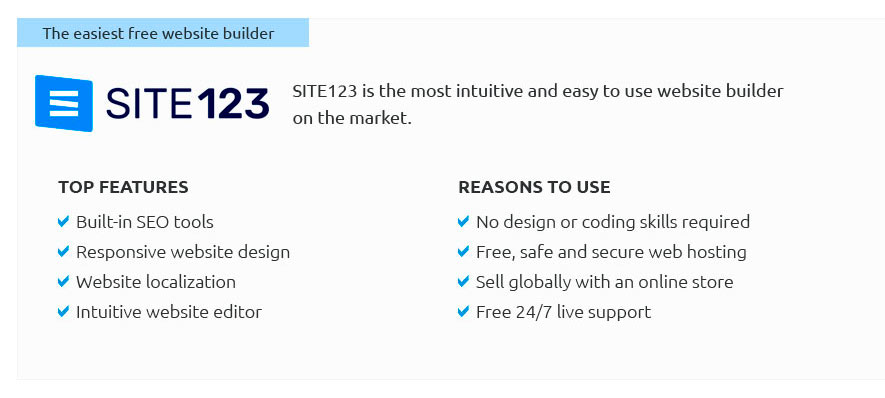
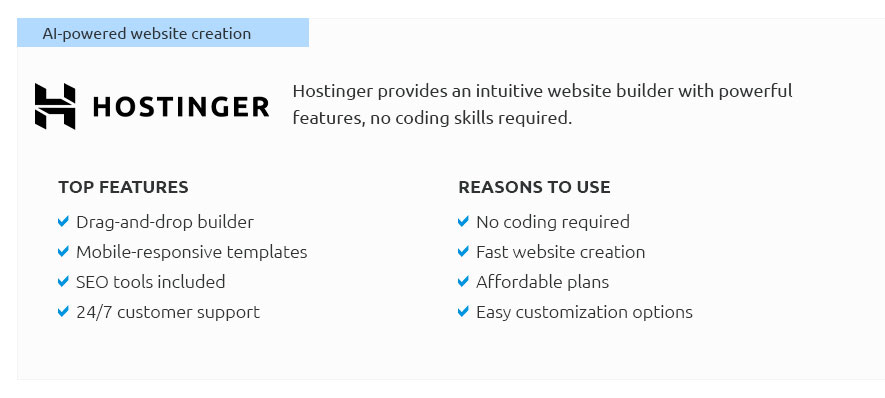
1. Site123 - 2. Squarespace - 3. Shopify - 4. WIX - 5. Square Online - 6. Carrd - 7. Hostinger. https://www.wpbeginner.com/beginners-guide/how-to-choose-the-best-website-builder/
WordPress.org (also known as self-hosted WordPress) is the world's most popular website-building platform. I migrated my first website to ...
|

